The March 2017 winds, six years of storm reports, and when to get a Flower Mound roof walked
On the night of March 29, 2017, the National Weather Service surveyed wind damage across parts of Flower Mound and southwestern Lewisville and put the winds at 75 to 80 mph. Since 2020 the official archive holds more than a hundred and fifty hail and wind reports within ten miles of town. What a dated storm can tell you about your roof, what it cannot, and when to have somebody look.
What the 2017 survey says about wind and a roof
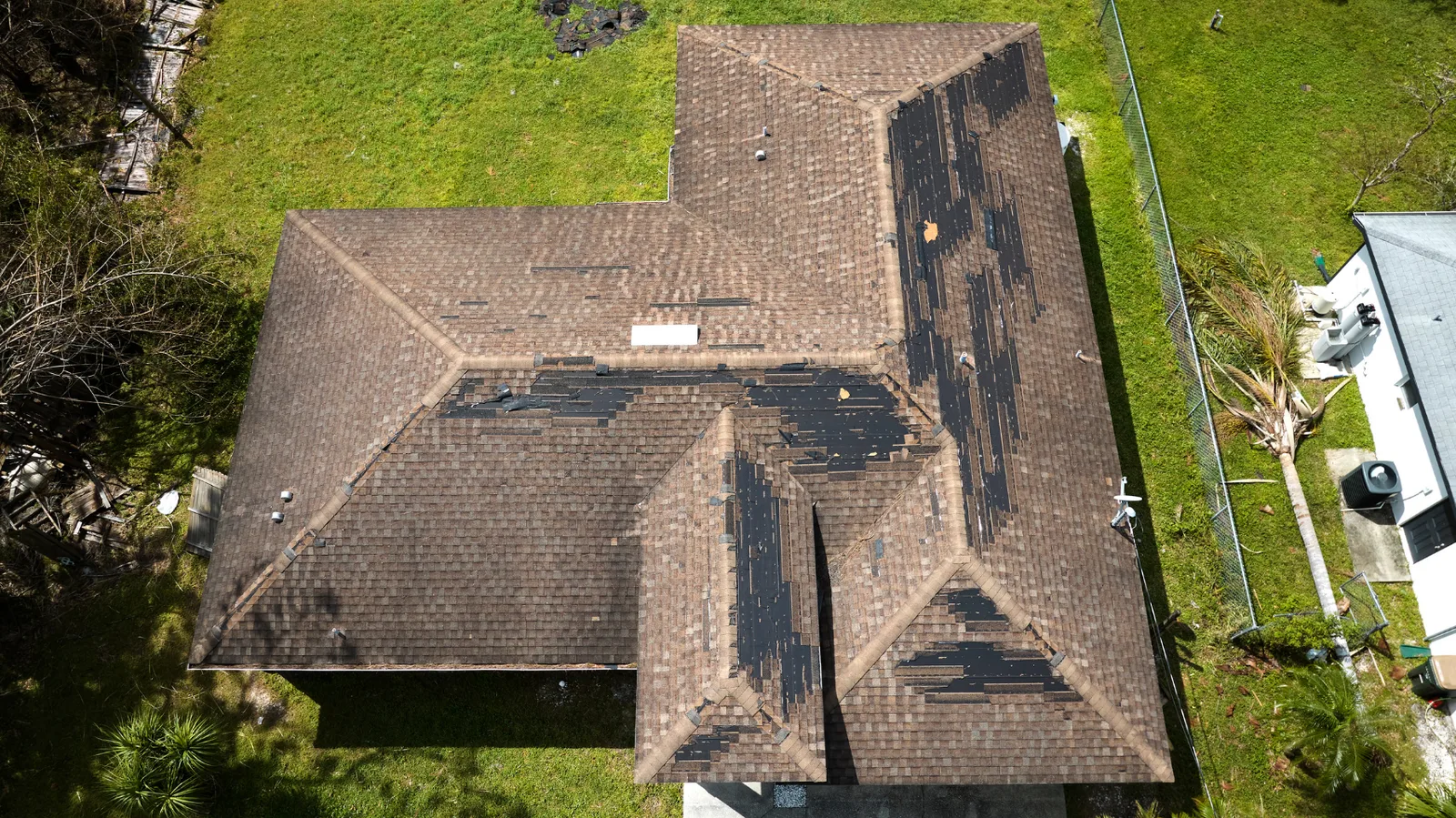
The 2017 survey describes broad wind damage across parts of Flower Mound and a tornado track in Lewisville. It records the event, not the condition of an individual roof today. Wind can lift or crease shingles, affect caps and edges, or damage a larger area. Wind speed by itself does not establish how a particular assembly performed.
A roof after a windy night may have localized damage or a wider repair need. The extent, attachment and condition of surrounding material determine whether lifted tabs can be repaired locally. Visible openings need prompt attention; waiting for another rain can allow water into layers below.
What hail does that wind doesn’t
Hail damage can be less obvious from the ground. An impact may displace granules or damage the shingle beneath without making an open hole. That calls for examination of the roof condition rather than assuming a leak will follow on a predictable schedule. The storm history archive lists the official hail and wind reports within ten miles of Flower Mound by date and size, and it is useful for exactly one thing: telling you when it is worth having the roof looked at.
What it cannot do is tell you whether your roof was hit. Hail falls in streaks. A report from across town can mean a lot for your street or nothing at all, and no inspection can prove which storm left a particular bruise.
When to have the roof walked
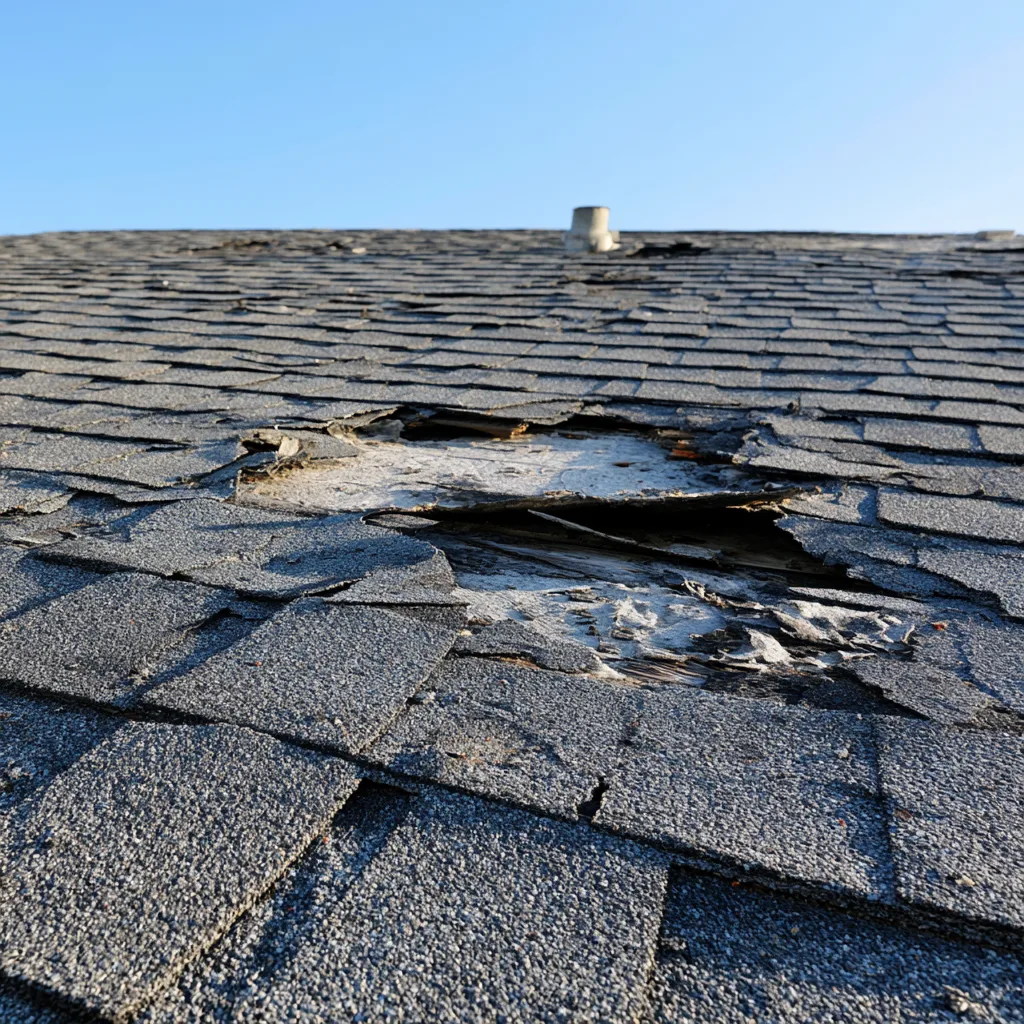
Loose roofing, new leaks or visible impact marks after a storm are reasons to arrange an inspection. Keep clear of damaged areas and record what you can see safely from the ground. Contact the insurer promptly about reporting requirements while the roof assessment is arranged; a roofing inspection should not delay required notice of a loss.
Keep the storm date if you know it, photographs taken safely and any temporary-repair records. An official report near the property can provide event context, but the actual findings and policy terms still determine the claim discussion. A nearby report does not establish that the property was damaged.
What the walk covers after a storm
The assessment examines accessible slopes, shingles, caps, flashing and other details for damage that explains the concern. Metal dents can be clues to impact but do not by themselves measure damage to the whole roof. Unsafe access may limit what can be inspected at the visit. The storm and hail damage page explains repair considerations, and the insurance claims guide separates roof findings from coverage and payment.
If there was a storm and you have not had anybody up there since, request a free roof inspection. Give the date if you know it.