Commercial roof coatings in Flower Mound
Roof coatings for Flower Mound commercial buildings: which roofs qualify, the moisture check and seam repairs that come first, and when a coating is the wrong answer.
Free roof inspections for homes and commercial properties.
Roof coatings for Flower Mound commercial properties
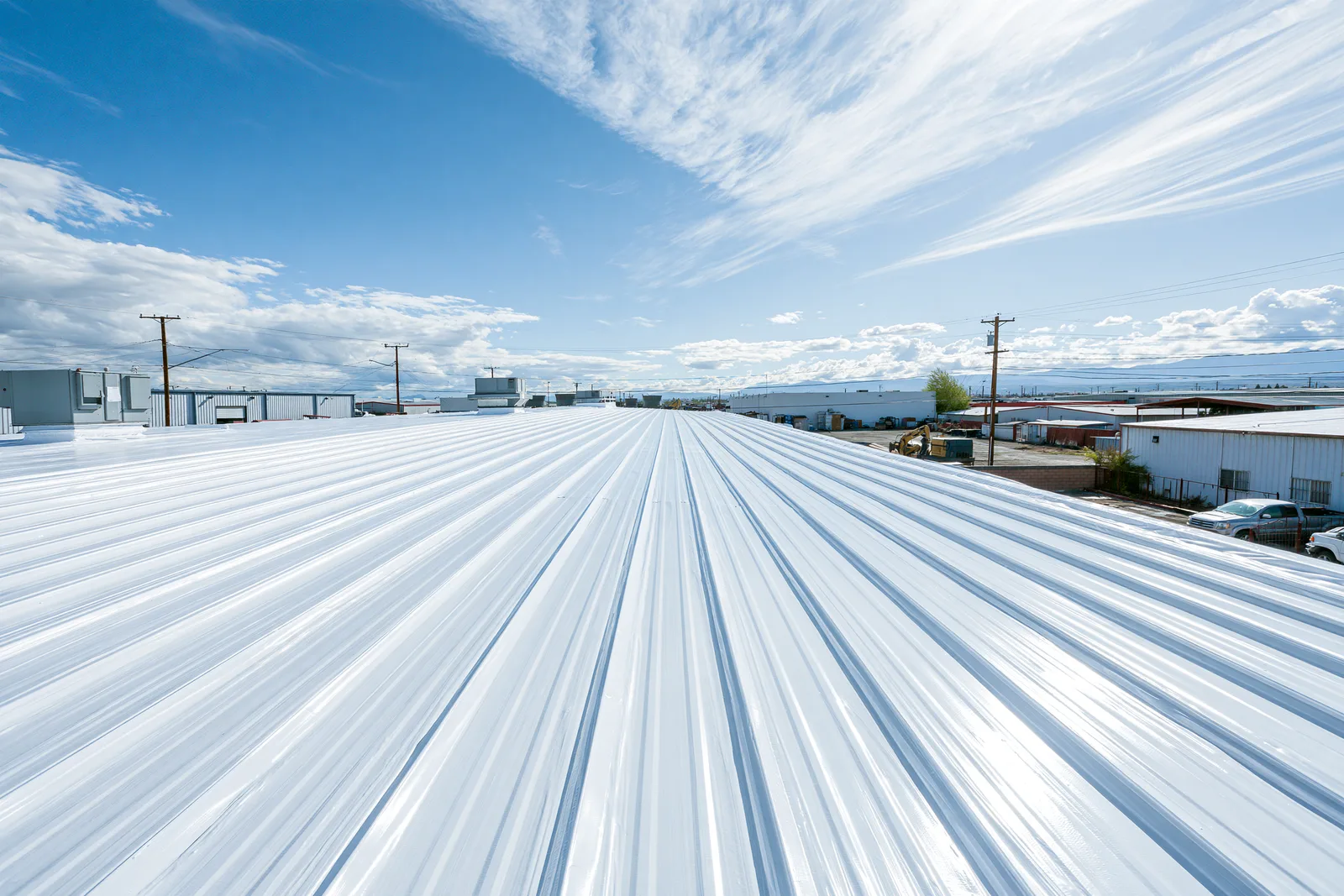
A compatible coating can renew the surface of a commercial roof that is suitable to retain. Wet insulation, separated seams and failed flashing need attention before that finish is applied. Covering those defects leaves the underlying problem in place, even when the top looks new.
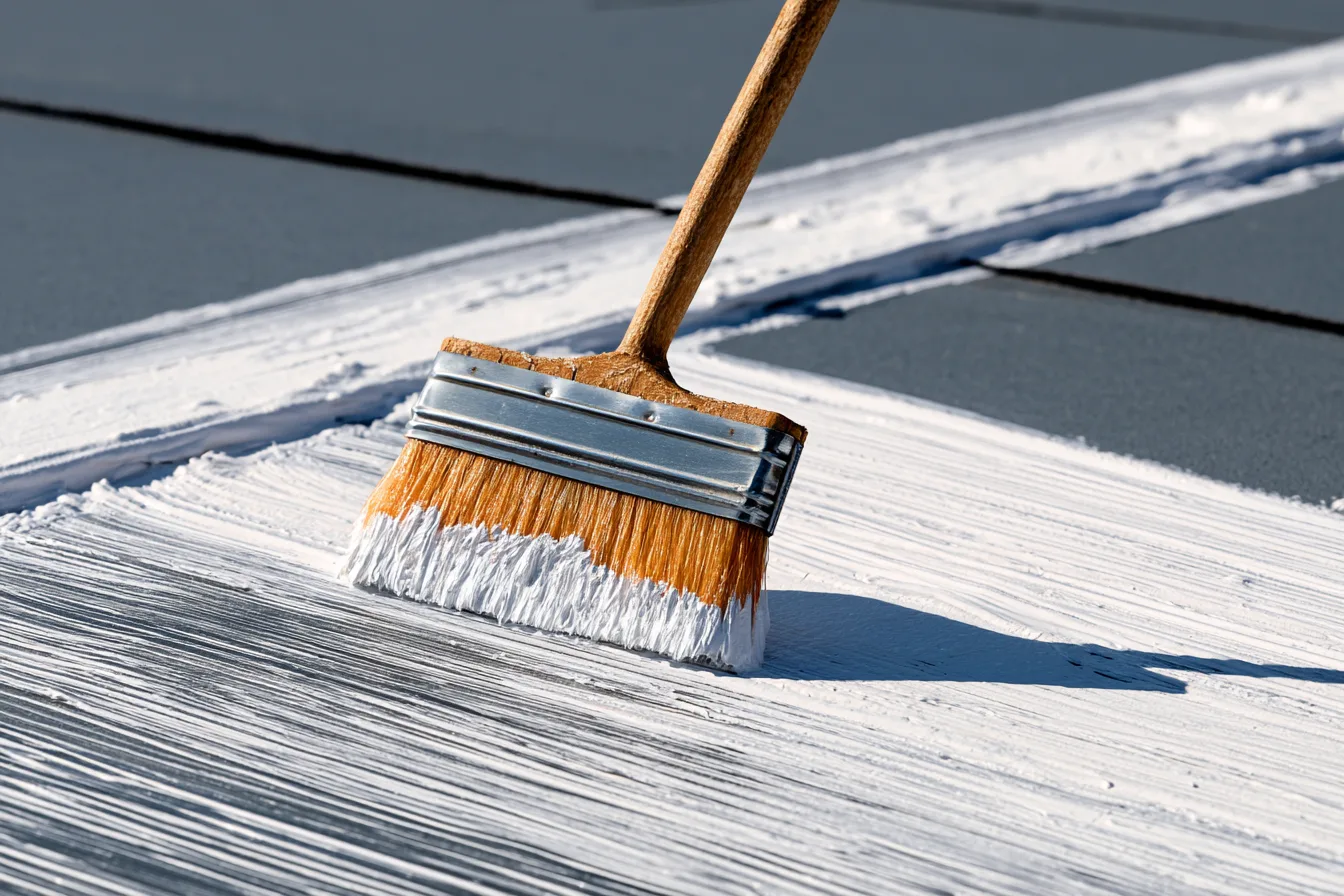
So the work starts under the coating: a check for wet insulation, seam and flashing repairs, cleaning that removes whatever would stop the coating bonding, and a test patch for adhesion. The color goes on last.
Is your Flower Mound roof suitable for coating?
A possible restoration candidate
A sound roof with a suitable substrate, manageable defects and an effective drainage arrangement may support restoration. Product compatibility and adhesion still need verification.
A roof that needs preparation and repair
Open seams, failed flashing and isolated wet or deteriorated areas need appropriate repairs before coating. Preparation can be a substantial part of the work.
A roof that needs a different scope
Widespread moisture, unsound layers or unsuitable adhesion can make coating the wrong choice. Removal and replacement may be needed rather than retaining the failed assembly.
Preparing a Flower Mound roof for restoration
The manufacturer’s requirements govern the selected system. These stages explain why a restoration estimate includes more than coating material.
Assess the existing roof
Identify the roof material and examine moisture, surface condition, drainage and details. Establish whether the assembly is a candidate to keep.
Repair and prepare
Remove or repair unsuitable material, correct applicable defects and prepare the surface. Cleaning, primers and seam reinforcement depend on the specific substrate and system.
Apply the specified system
Application rate, thickness, cure conditions and detail treatment must match the product requirements. Weather and access affect the work sequence.
Plan the roof’s continued care
Drains, traffic areas, equipment details and repairs remain maintenance considerations. A coated roof is still a roof that needs attention.
Choose a coating for the roof underneath it
- Compatibility
Acrylic systems are commonly water-based and depend on suitable drying conditions. Silicone systems cure differently and have their own preparation and recoat requirements. Substrate compatibility, adhesion and the selected product’s water-exposure limits matter more than choosing by generic coating type.
- Ponding and drainage
The product’s exposure limits matter, but product tolerance is not a drainage design. Correctable drainage defects still belong in the scope.
- Total project cost
Repairs, moisture-related removal, surface preparation and detail work affect cost. Comparing only coating coverage per gallon leaves out the work that makes the system possible.
Detail work on a Flower Mound coating project
The broad roof area is only one part of restoration. Seams, fasteners, penetrations and changes of surface may need repair or reinforcement before the field coating is applied. Cleaning has to remove the material that would prevent adhesion; applying more coating over dirt or a loose previous layer does not create a stronger bond.
A trial adhesion check helps establish whether the proposed system can attach to the existing surface after preparation. Wet insulation or unsound substrate needs to be addressed separately. The specified coverage and cured thickness apply to the selected product, so a generic comparison of gallons misses both the preparation and the finished system.
Afterward, rooftop equipment work and foot traffic can still damage the surface. Drains must remain open, and later repairs or recoats must be compatible with the installed coating. Product water-exposure limits and maintenance requirements belong with the particular system, not a promise that every coated roof can tolerate the same conditions.
Roof coating FAQs in Flower Mound
Can a coating stop an active leak?
Restoration can include repair of the leaking detail, but applying a field coating over unresolved defects is not a complete repair plan. The source and underlying condition need assessment.
Does every flat roof qualify for coating?
No. The existing material, moisture, adhesion, drainage and condition determine whether a specific system is suitable.
Does a coating come with a warranty?
Available coverage depends on the product, installed system, contractor eligibility and project terms. Those terms define the covered defects, remedy and coverage period.
Find out whether restoration fits your roof
Tell us what is on the roof now, what it is doing and whether a coating has been proposed. Start with a free roof inspection; suitability may also require moisture and adhesion checks for the selected restoration system.
Call (469) 240-3513